
Eco-Chic I Do: 10 Tips for a Zero-Waste Wedding
Nina Lilly Photography
A zero-waste wedding sounds idealistic until it’s time to execute that vision. In order to reach that goal, serious planning and creativity should be involved. Luckily, a wedding can be generous, beautiful, emotionally loud, and still tread lightly. The trick is not perfection. The trick is intention, plus a willingness to choose differently even when your wedding planner insists otherwise.
Rethinking the Dress Options
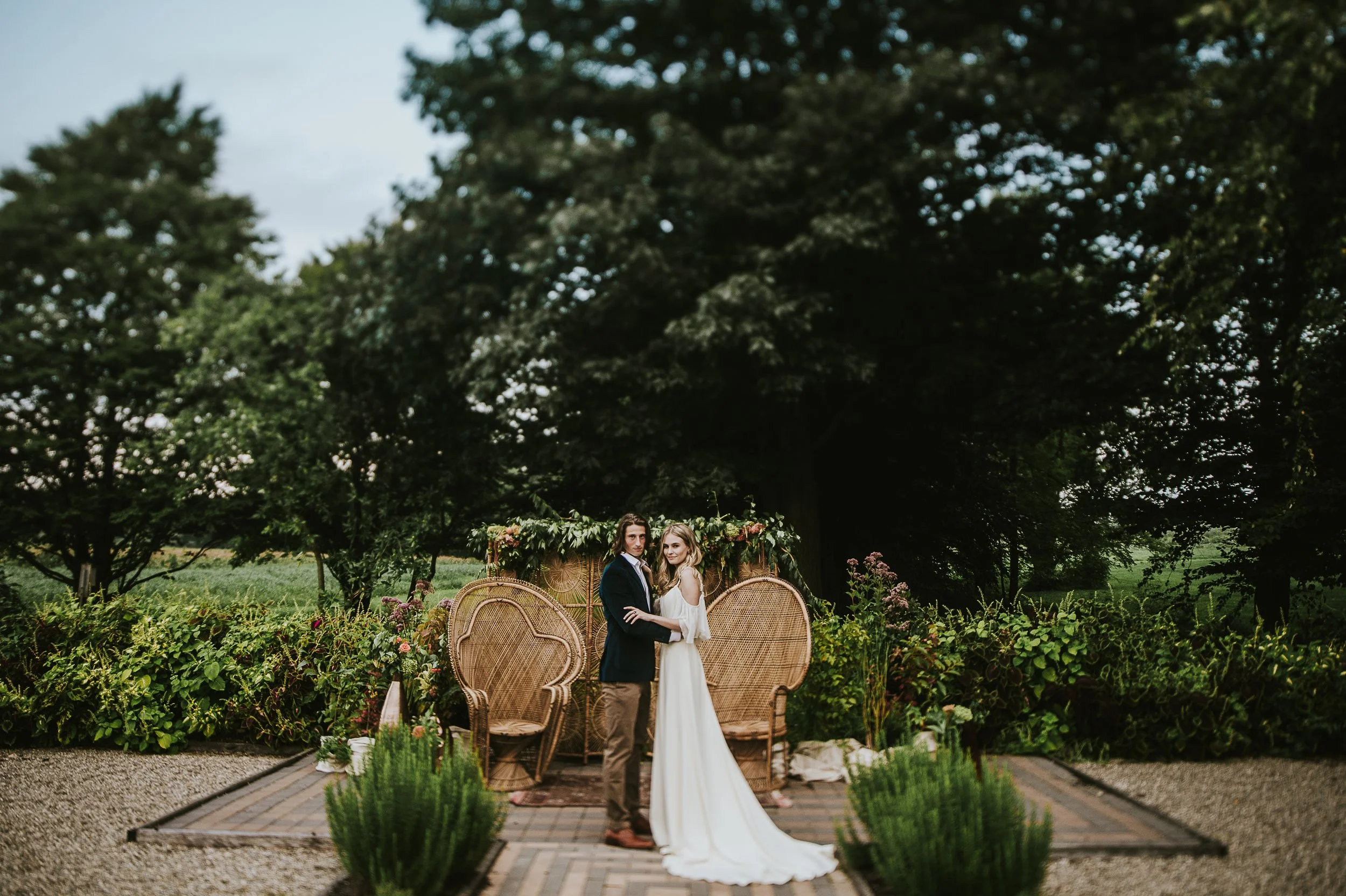
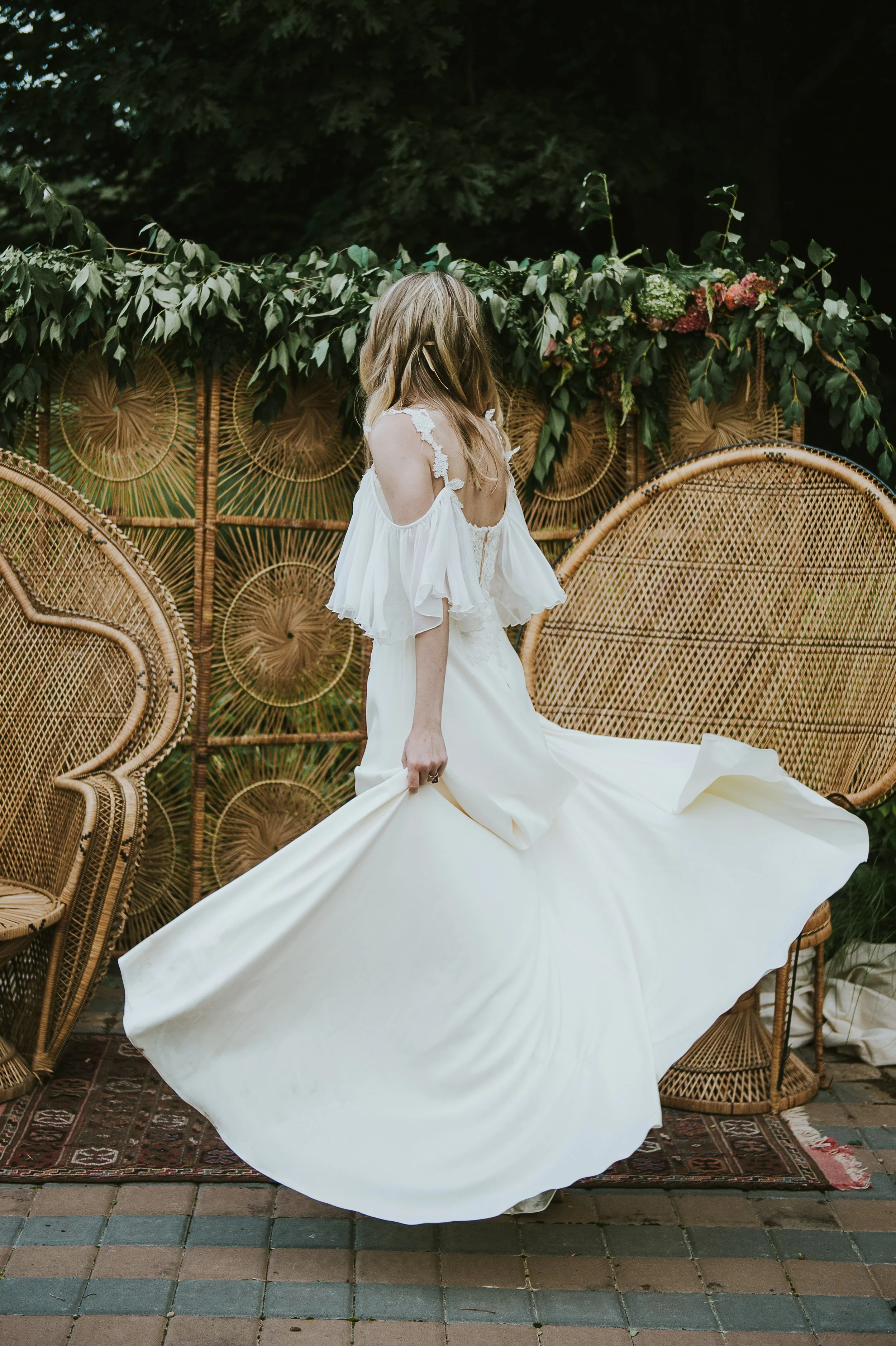
Wedding fashion carries a strange pressure to be worn once and preserved forever. But do you need to spend hundreds or thousands of dollars on a dress that’s going to sit in a box for the rest of your life?
Most people caring about sustainability choose to rent. You don’t have to go that route. Thrifting is a great option, too, as well as going for a less lavish piece that could be dyed and worn on different occasions.
Invitations That Do Not Linger
Paper invites are lovely, but only for about six seconds before they are forgotten. Couples spend months designing perfect invitations, but they are rarely kept for years as a keepsake. The effort is real, the outcome less so.
Digital invitations have grown elegant and personal, especially when paired with thoughtful typography and clear tone. And for those who want something tactile, recycled paper seeded with native wildflowers gives guests a reason to plant rather than store.
Flowers That Belong to the Season
Imported blooms travel far, wilt fast, and leave chemical footprints behind. Seasonal flowers sourced locally tend to last longer and look less forced.
Potted plants, herbs, or even small citrus trees can replace cut arrangements and later find homes with guests. The ceremony ends, but the greenery keeps breathing, and your conscience remains clear.
Nina Lilly Photography
Photography Without Disposable Props
Guests love taking photos, and they need a dedicated space for it. But balloon arches, foil backdrops, and novelty signs tend to be used once and binned.
Well-designed wedding photo booths for hire that rely on lighting, texture, and clever framing rather than throwaway props offer the same excitement as a lovely balloon arch.
Decor That Is Borrowed
The wedding industry loves selling objects for a single afternoon. But there’s nothing wrong with hiring decor or borrowing from friends. You’ll save money and avoid the whole post-wedding clean-up guilt.
If that’s not an option, go for something that could be repurposed later on. For example, opting for fabric runners instead of disposable tablecloths will give tables texture on the day and a second life afterwards.
The Safest Food Choices
You want your guests to be well-fed on your wedding day. But if you don’t create your menu carefully, food will be one of the biggest sources of your wedding waste.
You don’t need ten different dishes to accommodate everyone. Instead, build a menu around fewer options, shared plates, or generous grazing tables. Also, any excess food should already have a plan before the first toast is made.
Drinks Without the Plastic Hangover
Glassware is for child-free weddings. If there are going to be children running around, they should be drinking out of plastic or paper cups. After all, sacrificing a few plastic cups is far better than cuts and shattered glass.
When it comes to cutting waste in other ways, you can set up refill stations. You’ll likely find local wineries and breweries that offer keg options for weddings, which will lower packaging waste and support local producers.
Gifts That Do Not Become Obligations
Physical wedding gifts often carry good intentions and uncertain futures. Cash funds, honeymoon experiences, or donations to chosen causes remove pressure from guests and clutter from homes.
Some couples ask for contributions toward long-term goals like home improvements or future travel. It feels practical, honest, and more aligned with real adult lives.
Favours That Make Sense Later
Wedding favours are frequently forgotten at tables or tossed during travel. If favours are included, they should earn their keep.
Edible items from local producers, small plants, or consumables like candles avoid becoming dust collectors. Skipping favours altogether is also acceptable, especially when guests leave well fed and genuinely welcomed.
A Mindset That Allows Flexibility
Zero-waste weddings succeed when rigidity is avoided. Even with near-perfect planning, something will be forgotten, and something will not be perfect, and that is fine.
Sustainability is not a performance. It is a series of decisions that lean kinder overall, and the fact that you’re even striving towards zero-waste already places the wedding in a different category.
Conclusion
Choosing lower waste options often results in celebrations that feel calmer, more personal, and less staged. Eco-chic is not about restriction. It is about designing a day that reflects care for each other, for guests, and for the world that continues spinning long after the last song plays.